
We take a stand against spam
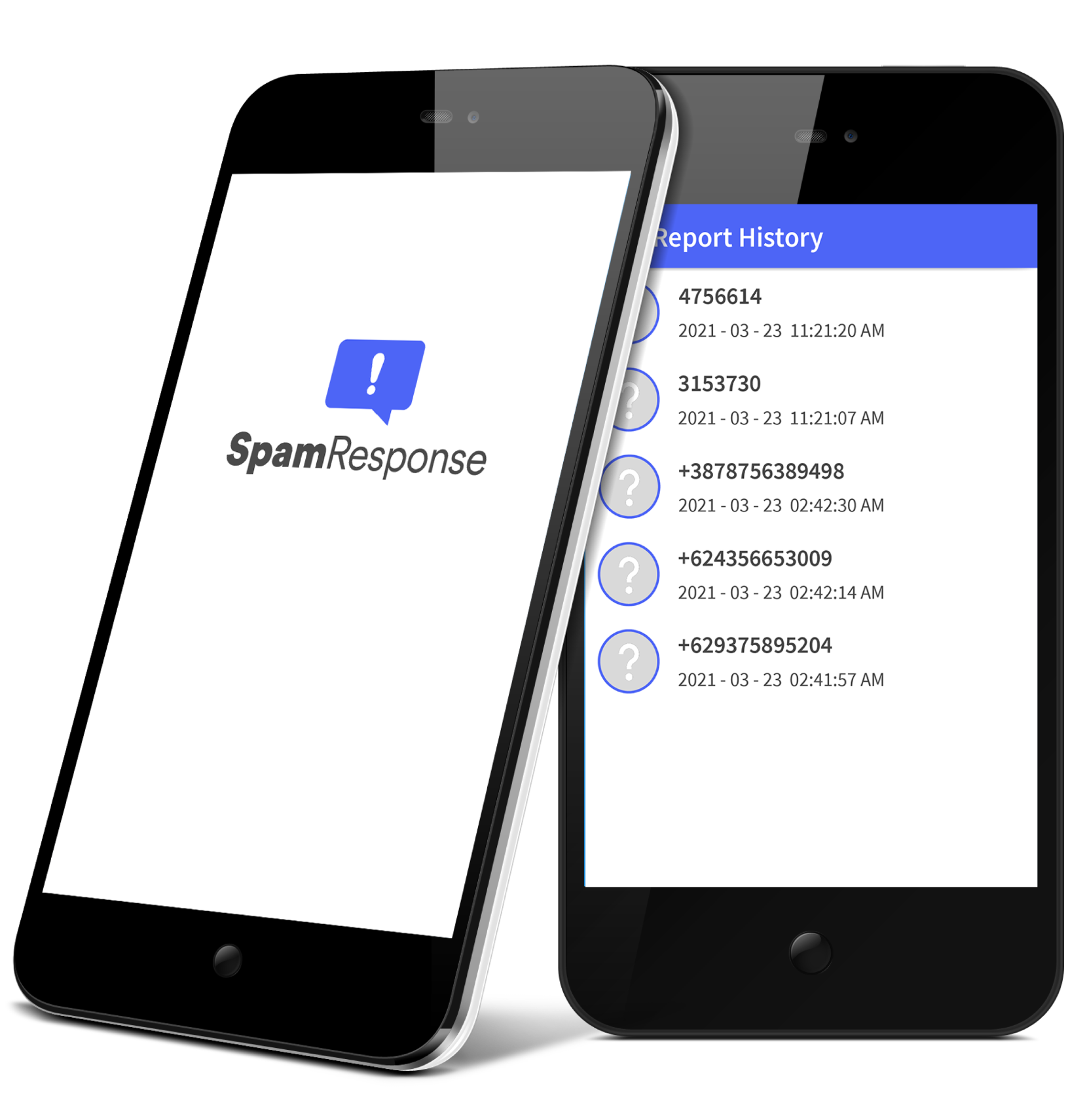
Report spam and phishing text messages with the swipe of a finger.



01
What is spam?
Spam, at its most basic, is an unsolicited message. In other words, it’s a message that you didn’t sign up for or ask to receive. Although lots of spam messages are marketing messages, spam also can be a way for criminals to collect information or lure consumers into scams. Now, more than ever, spam is being used to deliver phishing links and files to your device, exposing your personal information.
02
Why report it?
You should always keep an eye on emails or texts sent from people or businesses you don’t recognize, and avoid opening them whenever possible. It may seem easier to ignore these messages but reporting them is important.
Stopping spam is a team effort. These texts can quickly become confusing and you might click on a phishing link that someone else didn’t think important enough to report.


03
How we help?
SpamResponse uses the information consumers provide to help identify threat actors and the mechanisms they use to send spam in the marketplace. We document these shared experiences and once we’ve gathered enough evidence, work with the relevant parties, including businesses, technology providers, and other industry resources, to shut down pathways for spam delivery.
Additional Resources
Dealing with spam isn’t always straightforward. We’ve created a list of frequently asked questions (FAO) to help you identify spam and phishing. as well as to limit your risk. In addition. you can find other options to help you solve your problems with spam in our resources section.

FAQs
Find answers to common questions about phishing and spam.

Best Practices
Tips to stay safe and protect yourself from suspicious messages.

Resources
Helpful tools and reporting options to manage spam more effectively.
Take control of mobile threats
Check out our App page to find out more about SpamResponse